



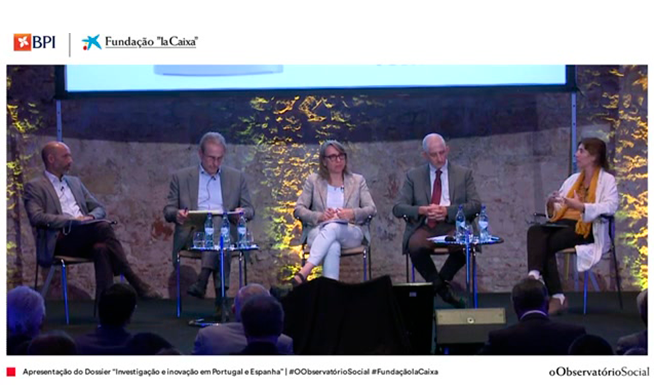
Public presentation of the Dossier on "Research and Innovation in Portugal and Spain"
October 2022
What are the decisive factors in a country's research and innovation systems? What about the links between science and business? We present the new Dossier of the Social Observatory of the "la Caixa" Foundation.
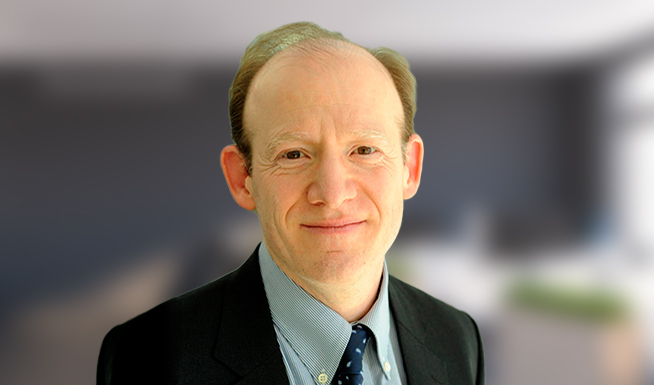
Interview
“Research can’t be simply turned on and off like a tap; it requires investment in the long term”
October 2022
Andrew W. Wyckoff, the OECD’s current director of Science, Technology and Innovation, reviews the major challenges posed by the digital transformation in the economic, social and educational sphere.
Article
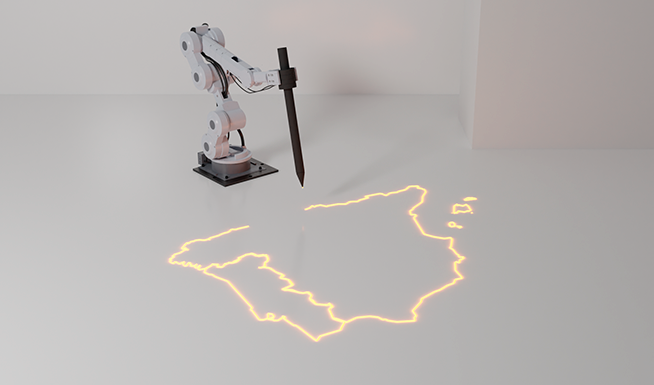
Evolution of science and technology in Portugal and Spain
October 2022
null
Article
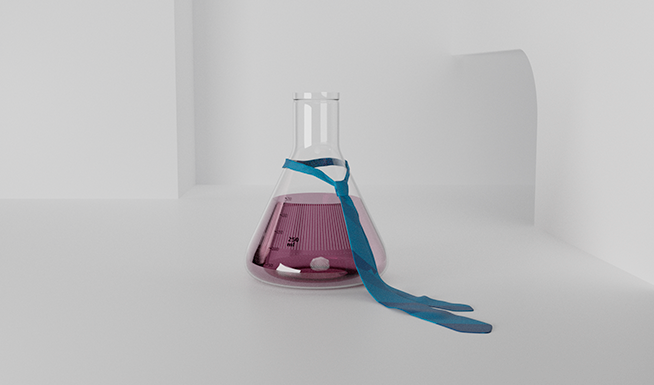
Science-business links in Portugal and Spain: untapped potential for innovation?
October 2022
null
Dossier
Research and Innovation in Portugal and Spain
October 2022
What are the factors that define a country’s research and innovation system? The first Dossier from the Social Observatory of the ”la Caixa” Foundation analyses the case of Spain and Portugal in international comparison.

Best Practices
The use of public engagement for technological innovation
October 2022
What is society’s opinion regarding the possible impacts of science and technology? Establishing citizen participation mechanisms is necessary to generate confidence and detect points for improvement.

Best Practices
The Patient Innovation platform
October 2022
Successful experiences such as the Patient Innovation Platform confirm that the future of innovation in health involves connecting patients, carers and other agents from the care sector.

Best Practices
CaixaResearch Institute, a new health and life sciences research and innovation centre
October 2022
International excellence, strong support for innovation and transfer and bringing science closer to society. CaixaResearch Institute symbolises the commitment of the ”la Caixa” Foundation to supporting biomedical research.

Best Practices
Tools and resources for safeguarding ethics and improving integrity in scientific research
October 2022
One of the great current challenges in research is process integrity and the reliability of results. What reforms are taking place in this area?
Best Practices
Changes in scientific assessment systems
October 2022
How should science be evaluated? Does the possibility exist of using other criteria beyond bibliometric impacts, which value different facets of the social impact of research?